Building a Zero-Strike Site Protocol
Expert Service Locating
March 5, 2026
4 min read
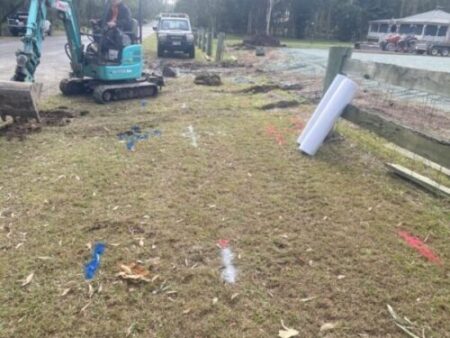
Moving beyond luck based excavation. A practical utility strike prevention sequence covering enquiries, site inspection, tolerance zones and ongoing verification.
Most underground damage traces back to decisions made before anyone touched a machine. A strike prevention plan is not paperwork for its own sake, it is a short sequence that gets the crew working from confirmed information instead of assumptions.
The protocol
- Plan and prepare: submit a BYDA enquiry well before work starts, not the morning of.
- Visual site inspection: look for clues such as pit lids, marker posts and patched surfaces that may not appear on any plan.
- Safe excavation zones: apply tolerance zones, typically 450mm to 600mm, where mechanical digging gives way to non-destructive methods, based on project requirements and applicable guidance.
- Ongoing verification: keep a locator available for high risk areas where services are known to be congested.
Where responsibility sits
Underground service locating supports risk management, but the party performing the works remains responsible for safe digging practices, verification and compliance on site. Treat the marks as high quality information to work with, not as a transfer of duty.
Where the industry is heading
The industry is steadily moving from 2D paper markups toward 3D utility models. Feeding locate data into a digital model of the site lets engineers design around existing infrastructure with more confidence, which can reduce redesign work and improve strike risk management. Outcomes still depend on data quality, verification level and project complexity.
Related Articles
Beyond the BYDA Plan: Managing Subsurface Risk
BYDA plans show intended placement, not verified position. Here is why on-site locating is the step that turns an indicative corridor into a line you can dig to….
AS 5488 Quality Levels Explained
Quality Level D through to Quality Level A. A plain English breakdown of the Australian standard for utility….
GPR vs EMI: Choosing the Right Locating Method
Electromagnetic induction and ground penetrating radar answer different questions. Here is what each method finds, and how Queensland and New South Wales soils….